
Hyaluronic acid: benefits and how to use it
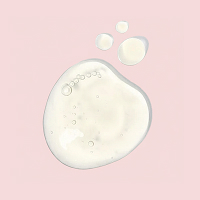
In short: hyaluronic acid is a hydrating active that attracts and holds water in the upper layers of the skin. It suits all skin types, morning and evening. Apply 3 to 4 drops on slightly damp skin, then a cream to keep the hydration in. It replaces neither cream nor SPF.
Tight skin, dehydration lines, dull skin after summer or air conditioning: hyaluronic acid (حمض الهيالورونيك) is one of the most sought-after actives in cosmetics, and for good reasons. Here is what it really does, how to apply it to get the most out of it, and why it should not be confused with injections.
What is hyaluronic acid?
It is a molecule present in the skin, especially in the dermis, where it helps retain water. With age and sun exposure, its amount decreases, which contributes to loss of bounce and the appearance of fine lines. A review published in 2012 (Papakonstantinou et al.) describes it as a key molecule in skin aging. In cosmetics, it is produced by biofermentation and used as hyaluronic acid or sodium hyaluronate.
The benefits of hyaluronic acid for the face
- Hydration: it attracts water into the upper layers of the skin.
- Plumping effect: well-hydrated skin looks smoother and bouncier.
- Dehydration lines: their appearance softens when the skin regains water.
- Comfort: less tightness, especially with stronger actives (retinol, exfoliants).
- Tolerance: it suits almost all skin types, including oily and sensitive skin.
A 2022 review (Dermatologic Therapy) gathers the clinical studies on hyaluronic acid applied to the skin: they show improved hydration and a better look of fine lines, with very different formulas and durations.
Low or high molecular weight: what changes
- High molecular weight: large molecules that stay on the surface and form a hydrating film. Immediate comfort.
- Low molecular weight: smaller molecules that go a little further into the upper layers.
- Multi-weight formulas: they combine both effects. This is often what “multi-molecular” means on a label.
How to apply a hyaluronic acid serum?
- Cleanse the face with a gentle product.
- Keep the skin slightly damp, or mist on a little water.
- Apply 3 to 4 drops to the face and neck, pressing gently with your palms.
- Apply your cream within the next minute: it limits evaporation.
- In the morning, finish with SPF 50.
This is the best way to get the most out of it: on damp skin and under a cream. Our Sérum Hydratation Intense à l’Acide Hyaluronique is used morning and evening, before the cream.
Morning or evening?
Both. In the morning, it prepares the skin under cream and SPF. In the evening, it pairs very well with retinol or peptides, making them more comfortable. It does not make the skin sensitive to the sun.
Hyaluronic acid and dry climates: the precaution to know
Hyaluronic acid attracts water. In very dry air (air conditioning, heating, winter in Ifrane or Fès), it can draw water from the skin if nothing holds it in. That is why it should always be covered with a cream. With this step, it does not dry out the skin.
Which actives to pair it with?
- Vitamin C: in the morning, for radiance and hydration (vitamin C serum guide).
- Niacinamide: an ideal duo for dehydrated oily skin.
- Retinol: hyaluronic acid helps limit tightness (retinol guide).
- AHA and BHA: after an exfoliant, it soothes the look of the skin.
- Peptides and ginseng: for an anti-aging or anti-fatigue routine.
Hyaluronic acid by skin type
- Dry skin: serum then rich cream. See dry or dehydrated skin.
- Oily skin: serum then light gel-cream. It hydrates without greasiness.
- Mature skin: in the evening, under the Crème Nuit Réparatrice Anti-Âge.
- Sensitive skin: choose a short formula, without strong fragrance.
Choosing a hyaluronic acid serum
- The INCI name: “Sodium Hyaluronate” or “Hyaluronic Acid”, fairly high in the list.
- The percentage: 1 to 2% is enough. A higher concentration does not necessarily hydrate better and can feel sticky.
- The partners: glycerin, panthenol (vitamin B5), aloe vera, ceramides, for longer-lasting hydration.
- The texture: fluid and not sticky. If the product leaves a tight film, it usually needs a cream on top.
- Fragrance and alcohol: best limited for sensitive or dehydrated skin.
Serum or injection: do not confuse them
Hyaluronic acid injections are medical procedures performed by a doctor to fill a fold or restore volume. A cosmetic serum works on the surface, on hydration and the look of the skin. It does not replace an injection and does not give the same result.
Are there any risks?
In cosmetics, hyaluronic acid is one of the best tolerated actives. Tingling more often comes from another ingredient in the formula or from damaged skin. As with any product, test it in the crook of the elbow if your skin is reactive.
Brands often mentioned
The Ordinary (Hyaluronic Acid 2% + B5), La Roche-Posay (Hyalu B5), Vichy (Minéral 89), L’Oréal Paris (Revitalift Filler) or Aroma-Zone offer hyaluronic acid serums, with different concentrations and textures. Our serum combines hyaluronic acid with hydrating ingredients in a vegan formula, and is part of the Routine Hydratation Intense & Réparation. To compare, see all our face serums.
How long before seeing results?
The feeling of comfort is immediate. A smoother, bouncier look builds up within two to four weeks of regular use, morning and evening. See also in what order to apply your face care.
Sources and further reading
- Papakonstantinou et al. 2012: hyaluronic acid, a key molecule in skin aging (PubMed)
- Review 2022: benefits of topical hyaluronic acid for skin quality (PubMed)
- American Academy of Dermatology: choosing a moisturiser
Informational content that does not replace the advice of a healthcare professional. If in doubt, for reactive skin, during pregnancy or for a dark spot that changes, consult a dermatologist.
Frequently asked questions
What does hyaluronic acid do for the face?
It hydrates the skin, softens the look of dehydration lines and restores comfort and bounce.
Hyaluronic acid: morning or evening?
Both. In the morning under cream and SPF, in the evening with or without retinol, always before the cream.
How to apply a hyaluronic acid serum?
On clean, slightly damp skin, 3 to 4 drops, then a cream within a minute to keep the water in the skin.
Is hyaluronic acid suitable for oily skin?
Yes. It hydrates without greasiness and helps dehydrated oily skin regain comfort.
Is hyaluronic acid dangerous for the skin?
In cosmetics, it is one of the best tolerated actives. If your skin is reactive, do a test in the crook of the elbow.
Does a hyaluronic acid serum replace an injection?
No. The serum works on surface hydration. An injection is a medical procedure that adds volume.